Marketing Hotline:
(+86)0532-88988868
(+86)0532-88988868
1. Core Working Principle of Water Softening Resin
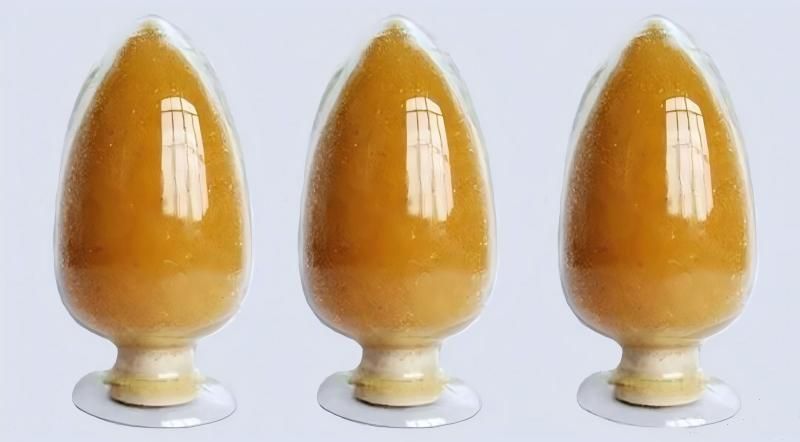
Ion exchange resin is a man-made, porous, insoluble water treatment material and is also the core consumable of water softening equipment. Sodium ions adhere to the surface of the resin and can exchange with calcium and magnesium ions in the water that cause scale formation, thereby softening hard water.
Calcium and magnesium ions are the main culprits behind scale formation. After being exchanged by the resin, these ions in the water are replaced by sodium ions. Sodium ions don’t stick to pipes or equipment to form scale, so there’s no scaling or corrosion risk, tackling the root cause of hard water scale.
During operation, the resin continuously adsorbs calcium and magnesium ions from the water. Once saturated, it loses its softening ability and needs to be regenerated with brine to restore its performance for repeated use. However, repeated exchange and regeneration over time can cause resin aging and wear, which is a normal process for consumable materials.
2. Standard Service Life of Ion Exchange Resin
The lifespan of resin mainly depends on the resin quality and the hardness of the raw water. Under normal conditions, there are clear reference points for replacement cycles:
Ordinary domestic resin: Under regular water conditions, the service life is about 1 year, and it's recommended to replace it annually.
High-quality imported resin: More stable and wear-resistant, with a service life of 1.5 to 2 years.
If the raw water hardness is high and the resin is working under heavy load for long periods, it will age faster. In that case, the replacement cycle should be shortened based on the actual water quality to ensure the softened water meets the standard.
3. How to tell if the resin has failed
You don’t need professional testing equipment. By just looking at the water quality and how the equipment is running, you can quickly tell if the resin has failed: after ruling out equipment malfunctions, salt tank shortages, and regeneration issues, if the water hardness keeps staying above 3 PPM and the water output drops noticeably, it’s safe to say the resin has aged, become saturated, and lost effectiveness, so it needs to be replaced promptly.
4. Common Types of Ion Exchange Resins and Their Applicable Scenarios
Based on pore size, acidity or basicity, and material characteristics, water treatment resins come in various types to suit different water treatment scenarios. Here are the precise uses of 20 commonly used resins:
001*7(732) Strong Acidic Styrene Cation Exchange Resin: Mainly used for hard water softening, desalinated water, pure water, and ultra-pure water production. It's also suitable for industrial applications like wet metallurgy, rare element separation, and antibiotic extraction. It's the most commonly used base resin for household water softening equipment.
201*7(717) Strong Basic Styrene Anion Exchange Resin: Mainly used for producing pure and ultra-pure water, and can also be applied in wastewater treatment and biochemical product extraction processes.
001*4(734) Strong Acidic Styrene Cation Exchange Resin: Specifically designed for ultra-pure water production processes and can also be used for antibiotic extraction.
201*4(711) Strong Basic Styrene Type I Anion Exchange Resin: Commonly used for pure water production, radioactive element extraction, sugar solution decolorization, and the preparation of fine chemical products.
D001 Macroporous Strong Acid Styrene-Based Cation Exchange Resin: Suitable for high-speed mixed bed condensate water, high-purity water, and secondary demineralization treatment. It can handle water with high organic content and can also be used as a catalyst for organic reactions.
D201 Macroporous Strong Base Styrene-Based Anion Exchange Resin: Mainly used for high-speed mixed bed condensate water treatment, industrial wastewater treatment, and heavy metal recovery and purification.
D113 Macroporous Weak Acid Polypropylene-Based Cation Exchange Resin: The core function is to remove alkaline salts such as bicarbonate and carbonate from water. Used together with 001*7(732) resin, it can efficiently remove water hardness and alkalinity, suitable for softening complex water sources.
D202 Macroporous II Strong Base Styrene-Based Anion Exchange Resin: Suitable for pure water and high-purity water preparation, highly adaptable to high-salinity water sources, and can also be used for biochemical extraction and sugar solution decolorization.
D301 Macroporous Weak Base Styrene-Based Anion Exchange Resin: Commonly used in high-purity water preparation, electroplating wastewater containing chromium, and other industrial applications.
002*7 Super Strong Styrene Cation Exchange Resin: Specifically designed for small boiler water softening systems under 10 tons, and can also be used in hydrometallurgy, rare element separation, and antibiotic extraction.
001*10 (002SC) Strong Acidic Styrene Cation Exchange Resin: Mainly used with weak acid resins, for preparing pure water in dual-bed water treatment devices.
001*8IR Super Strong Macroporous Gel-Type Styrene Cation Resin: Suitable for residential and industrial water softening and pure water preparation, also usable for extracting biochemical substances like lysine and glutamic acid.
D002 Catalyst Resin (Dry Hydrogen Resin): Macroporous strong acidic styrene cation resin, specifically used in chemical reaction processes for methanol and isobutylene ether synthesis to produce MTBE.
D254 (D204) Macroporous Strong Base Quaternary Ammonium Anion Exchange Resin: An anion exchange resin mainly used in the pharmaceutical industry for drug purification and heparin sodium extraction.
D-61 macroporous strong acid styrene-based cation exchange resin: Mainly used for high-purity water treatment, can be paired with D-92 resin, and is applied in circulating water treatment in ethylene glycol and methyl ethyl ketone production processes.
D-62 macroporous strong acid styrene-based cation exchange resin: Specifically suited for the food fermentation industry (VC production, MSG manufacturing), can improve production conversion rates, and can also be used for pure water treatment.
D-85 macroporous acrylic weak acid cation exchange resin: Mainly used for separation and purification of various biochemical products.
D301-G macroporous weak acid styrene-based anion exchange resin: Widely used in medical, food, and sugar production industries, for water dealkalization and deacidification treatment.
D311 macroporous acrylic weak base anion exchange resin: Suitable for the food and medical industries, used for biochemical drug extraction, sugar solution decolorization, and drug decolorization and purification.
D318 large-pore acrylic weakly basic anion exchange resin: This is a weakly basic anion resin, mainly used for extracting and decolorizing biochemical substances like citric acid and vitamin C.
5. Professional Maintenance Guidelines for Ion Exchange Resins
The lifespan and performance of resins depend not only on product quality but also on proper storage, pretreatment, and daily maintenance. Specific maintenance guidelines are as follows:
Moisture Protection During Storage and Transport: Resins need to stay moist throughout the process, as drying out can cause cracking and damage. If the resin has dried out, do not soak it directly in plain water. Instead, first revive it by soaking in a 10% salt solution, then gradually dilute the concentration to prevent sudden swelling and cracking.
Temperature-Controlled Storage: The ideal storage temperature for resins is 5°C–40°C. Avoid high heat and direct sunlight, as well as freezing temperatures. In winter, if there’s no temperature control, you can soak the resin in a corresponding concentration of salt solution to protect it from freezing.
Prevent contamination loss: During operation, resins need to be kept away from oil, metal impurities, microbes, strong oxidizers, and other contaminants to avoid pore blockage and performance degradation. In severe cases, they may need to be discarded.
Pretreatment of new resin: New resin must be pretreated before use. Soak it in clean water until fully expanded, then remove inorganic impurities with 4%-5% dilute hydrochloric acid, followed by cleaning organic impurities with 2%-4% sodium hydroxide solution, and rinse until the water is nearly neutral. For medical or food-grade applications, you also need to soak it in ethanol for disinfection.
6. Summary
Ion exchange resin is the core consumable in water softening equipment and directly determines the quality of water treatment. In daily use, you can predict the replacement cycle based on the raw water quality, judge resin failure by the hardness and output of the water, and strictly follow storage, maintenance, and pretreatment standards. This not only ensures that the water quality meets standards but also extends the resin's lifespan and reduces equipment operating costs.