Marketing Hotline:
(+86)0532-88988868
(+86)0532-88988868
When choosing water treatment equipment, what should users care about the most regarding the supplier?
When choosing water treatment equipment, selecting a reliable supplier is even more important than choosing a specific product, and this importance is by no means less than that of the product itself. Because a good supplier is the key to product quality, professional service, and long-term after-sales support. The supplier determines your entire experience from consultation and installation to after-sales service over the next 5-10 years.
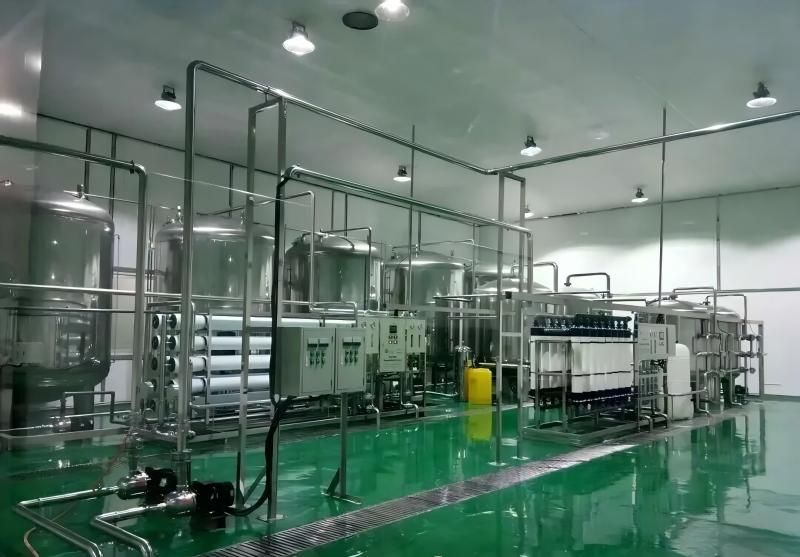
Users should pay attention to the following aspects of suppliers, as these directly affect whether you will have a 'worry-free' or 'troublesome' experience for years to come:
1. Professionalism and Consultation Ability: Do you not only understand yourself, but can you understand me better?
Users hope that suppliers are not just simple salespeople, but consultants who can provide professional advice.
Can the supplier provide professional water quality analysis and judgment? Do they directly push a certain product, or do they first inquire about the region, water quality (such as scale, odor), water usage, usage environment, and main purpose, even providing simple testing tools or suggestions?
Can they clearly explain the differences between various technologies? Can they explain the advantages and disadvantages and suitable scenarios of RO reverse osmosis, ultrafiltration, softening equipment, etc., in simple and understandable language, rather than using obscure terminology to confuse people?
Is the recommended solution customized? Do the recommended devices truly fit my actual situation and budget, rather than blindly recommending the most expensive option or simply offering a low price to secure an order?
2. Core Key: Reliability and Convenience of After-Sales Service — After Buying the Equipment, Will You Be Ignored?
This is of utmost importance and is the 'veto option' users should consider first.
(1). Response Speed and Convenience:
Question: When the machine breaks down or leaks, can you quickly get in touch with someone? How long will it take for a technician to come?
Solution: Prioritize brands that have physical service locations locally or have long-term partner companies. Ask customer service: 'If I need maintenance, filter replacement, or repairs, what is the exact process? How soon can an on-site visit be arranged?' Avoid companies that only have a nationwide 400 service number and for which you cannot even find a phone number online, or brands that have no local service capability.
(2). Cost and Method of Filter Replacement Service:
Question: Is it easy to purchase replacement filters? Are the prices transparent? Are they standard consumables or special ones that cannot be replaced? Make sure that when the time comes, the supplier can actually provide replacements. Otherwise, it’s not just a matter of having expensive consumables, but the supplier might vanish, leaving you as an orphaned customer, and your original equipment will become unusable and regrettable to discard!
Solution: Choose suppliers whose consumables are standard, easy to replace, and come with clear replacement instructions. Ask for the price of each type of filter and the recommended replacement cycle, and calculate the annual cost yourself.
3. Professional Capability: Whether custom solutions are provided
Suppliers should not be salespeople, but consultants and service providers.
Professionalism in consultation:
Question: Do they immediately push the most expensive products without considering your existing water quality and needs?
Solution: A good supplier will first inquire about your water usage needs (drinking/industrial/whole-house softening), household size, water quality requirements, water consumption, points of use, and may even suggest you do a simple water quality test (like scale or residual chlorine test). They can clearly explain the applicable scenarios for different technologies (such as RO, ultrafiltration), rather than indiscriminately disparaging competitors.
Professionalism in installation:
Question: Are the installation technicians professional? Will the equipment have programming errors or be installed haphazardly, leading to poor equipment operation?
What to do: Choose a supplier that can provide professional production and installation services. Understand the team’s past production experience, whether the equipment is of their own brand, or just a standalone set of equipment like an unbranded product. You can ask to see some photos of their previous production and installation cases; professionally installed pipeline layouts are very neat and aesthetically pleasing. Having their own brand is the lifeblood of service. If there is no brand, or they dare not display it on the equipment, how can they guarantee good production capability and consistent service? Practice has proven that most service providers without a brand, after delivering the equipment, will choose to abandon it when complex issues arise, after various forms of evasion. After all, if a supplier does not value its brand, how would they value their customers? Especially when the supplier has no brand to begin with?
4. Basis for long-term cooperation: the stability and reputation of the supplier.
Water treatment equipment is a long-term investment, so you need a partner who can take responsibility for the long haul. Therefore, it is necessary not only to have a reliable brand and philosophy but also trustworthy people.
(1) Brand philosophy and legitimacy:
Issue: Does the supplier have a nationally recognized brand? Do the products and philosophy have long-term commitment and planning? Will the company go bankrupt in a couple of years?
Solution: Request to see certificates issued by the state and fully understand the company's development philosophy. This is the foundation for your protection and future services. Give priority to suppliers with advanced business philosophies and good market reputation. When the market declines, the economy slows down, and equipment encounters major issues, the power of a company's vision and philosophy will become apparent; therefore, the strength of philosophy and brand must not be ignored.
(2) Price Transparency:
Question: Are there hidden high fees? Are there prices far below expectations and the market rate? For example, extra design fees, punching fees, high-altitude operation fees, or prices for the same tonnage and accessories that are 50% below the market or even double the low market price.
What to do: Before placing an order, confirm all fees with customer service in writing, and request that the quote includes 'all installation materials and labor costs,' eliminating any possibility of additional charges or secondary fees. At the same time, immediately discard suppliers whose prices are far below expected or normal market prices. Remember, a huge cost difference does not mean low cost; it usually indicates a trap or hidden issues. Trust that by not trying to take advantage, you will never suffer a loss.
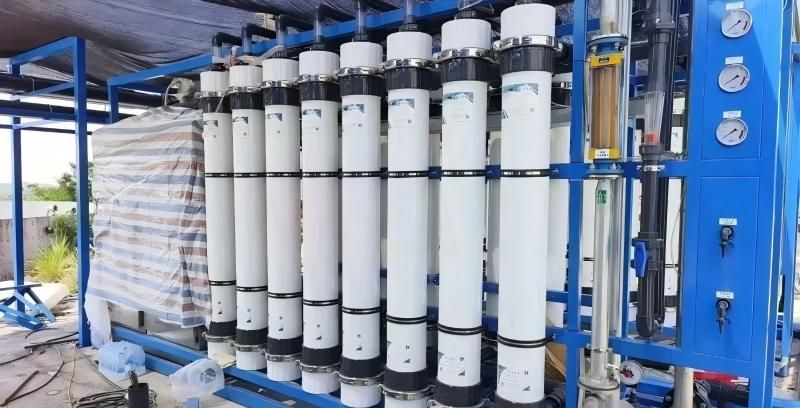
5. In summary, when customers choose a supplier, they are essentially looking for a trustworthy "long-term partner."
The core concern you need to address is: "You not only need to sell me qualified products, but also ensure with professional service that I can use clean water suitable for me, worry-free and安心, for many years to come."
An excellent supplier will completely dispel these concerns of customers through professional pre-sale consultation, standardized installation, and reliable, timely after-sales service, thereby building trust and winning business.